

Ever since I can remember there has been chat about technology in football!
With the Women’s World Cup showing VAR in the spotlight again, for both good and bad – time to talk about VAR.
The first major change in recent years saw goal line technology came into effect – which has been relatively successful. Its easy – was it a goal or was it not? Its decisive and the referee gets a decision in seconds. This success lead onto the video ref chat to come up again. Other sports use video assistants, including in American football, rugby, hockey and cricket. All of these sports have seen their video ref controversies and football is no different. Get used to it folks, VAR is here to stay by the looks of it…

The Video Assistant Referee supports the work of the on-field referee and assistants. They can review incidents as they are not only watching the game, but they also have access to multiple replays and different camera angles. They are so far from the real game, that they are rarely in the same city, never mind the same stadium.
Whats VAR all about?
After it was used in the 2018 FIFA World Cup in Russia and last year’s FA Cup and UEFA Champions League. As mentioned -it’s also being used during the current FIFA Women’s World Cup in France.
The general intention of VAR is to sort out incidents the on field referee got wrong. The VAR is there to check for the following 4 key decisions;
- Goal or no goal decisions (offences leading up to a goal)
- Penalty or no penalty decisions
- Direct red card decisions (not second yellow cards)
- Mistaken identity
A On-Field Review can only be conducted on the recommendation of the VAR. This ensures that the referee always makes an on-field ruling and does not rely on OFR’s for every close decision. An OFR can be conducted when the ball is out of play, or where the referee stops play for the express purpose of conducting one
How does it work?
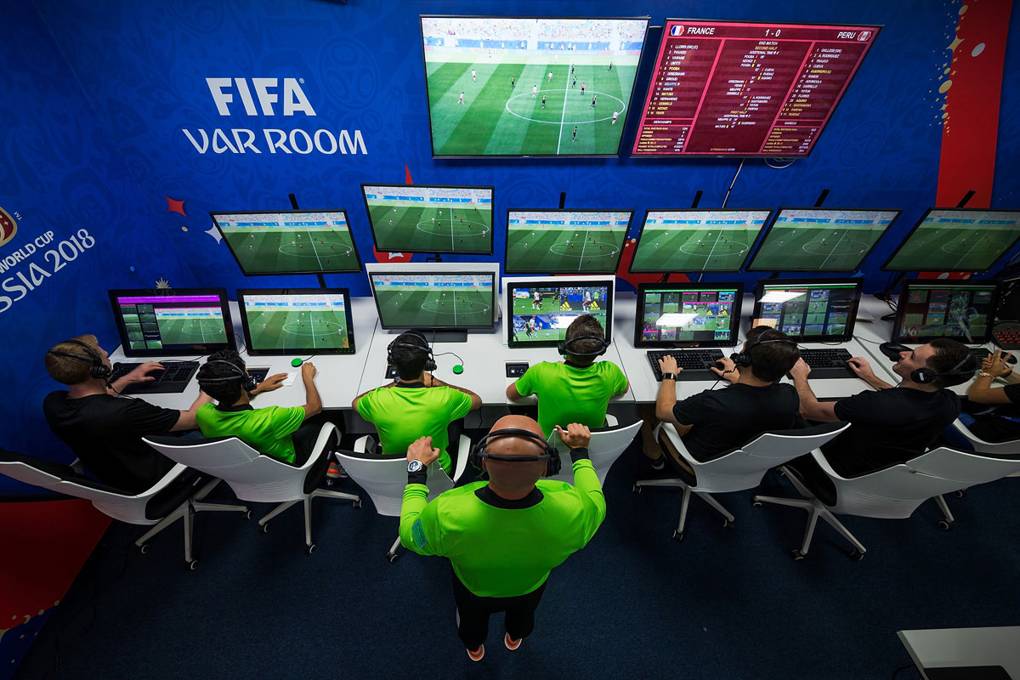
The chief VAR has 1 main display which is usually the TV camera view. They also have a second screen which allows them to see 4 other camera angles. They are in direct communication with the on field ref, just like in Rugby. There are then two more VARs. VAR1 keeps the others up to date with play, while another incident is being reviewed. VAR2 is dedicated to offside decisions and have screens dedicated to the goal areas. They are meant to anticipate if there might be an offside offence l while play continues.
So suddenly the officiating crew consists of. 1 on field ref, 2 line assistant refs, 2 goal line assistant refs, 1 main video assistant ref, 2 assistant video assistant refs and 1 VAR …and yes, they really do get fully kitted up in the VAR room! More refs are even brought in if required. It needs to be a big room to house this team along with the IT gurus operating the replay technology!!
Controversies a’plenty!
The whole idea behind VAR was not to rely upon the Video Assistant to make correct decisions, unlike in Rugby. The VAR is to help confirm after an event if there had been anything missed by the on field officials. Referees and assistants have been ordered to make their decision and allow VAR to sort it out afterwards i.e assistants shouldn’t raise their flag for an offside if they aren’t sure.
2018 World Cup Final
The 2018 World Cup final was balanced at 1-1 approaching half-time when the VAR took centre stage in Moscow.A corner was flicked on by Blaise Matuidi and the ball struck Ivan Perisic’s hand, although the midfielder seemed to know little to nothing about it.
Initially, referee Nestor Pitana gave just a corner, but a VAR review was initiated. The Argentinian ref looked at numerous replays and conversed with the VAR ref. He then overturned his original decision and awarded the penalty. Antoine Griezmann duly converted.
Schalke vs Man City
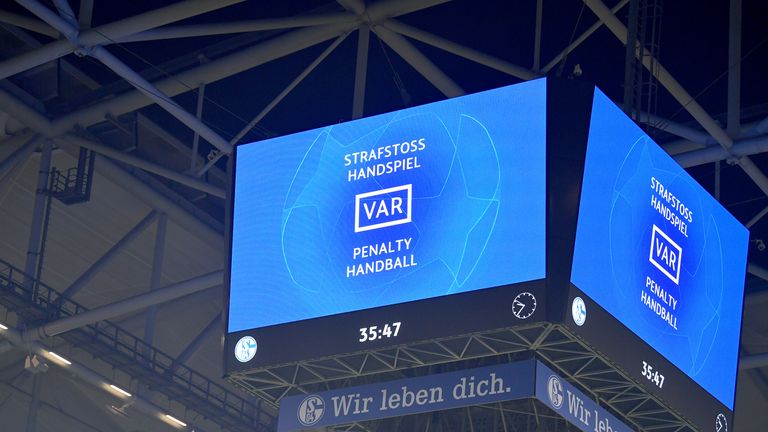
Manchester City’s 3-2 first-leg win over Schalke in their Champions League last-16 clash in February 2019 was dominated by another VAR controversy.
The controversy surrounded the amount of time referee Carlos del Cerro Grande spent to award the Bundesliga side the first of their two first-half penalties. Grande did not review the incident himself at the side of the pitch, apparently because of a technical glitch, while there were also no replays on the big screens or any other indication of what was happening to the crowd. The below was the first anyone knew!
How do we improve VAR?
As with any new system, the current way of working with VAR will lead to a lot of bumps in the road. So here are some ways that improvements could be made to allow VAR to be a normal, non intrusive element of football.
Referral system
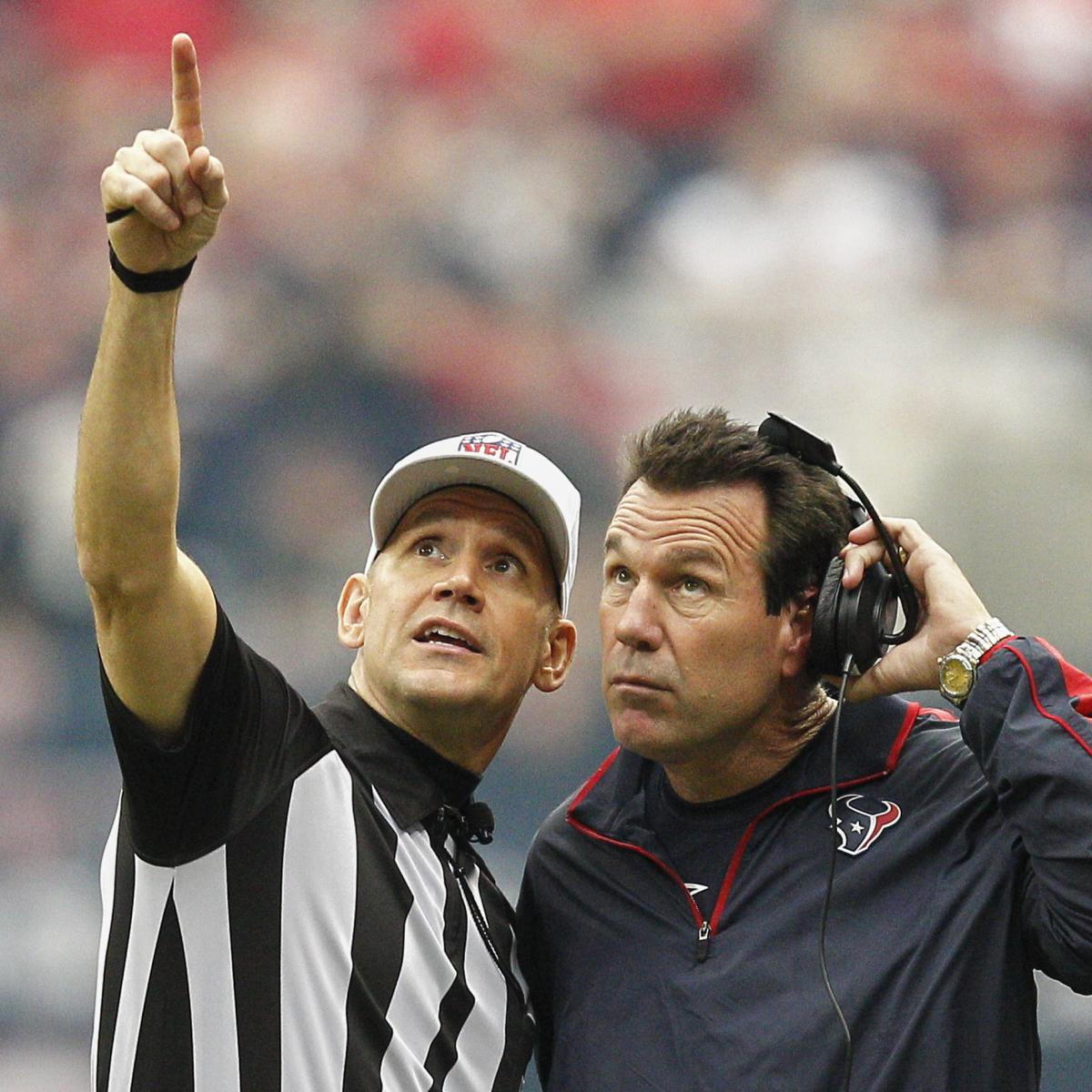
My favourite idea is to align VAR to the NFL (American football). Each team has a set number of chances to ask the officials to check a section of play for an offence. It would take the onus onto the teams captain/manager to determine if they feel there had been an error by the match officials. Limit the number of times the teams can challenge the refs decision and minimise the amount of VAR interference.
Let us know!
Like in Rugby, why not allow TV viewers to hear whats going on between the ref and the VAR? It would increase the transparency and allow at least some understanding of how the officials have come to make that call. For even more clarity, mimic the NFL (again) and have the refs address the crowd, explaining why they came to their decision.
Black and White
Subjective decisions will always cause arguments. People see decisions different ways, its part of the reason pundits exist. Could VAR be used for objective decisions? He was offside, or he wasn’t. The ball was out of play, or it wasn’t. It goes back to the yes or no of goal line technology. Limiting to these black or white areas could allow better flow to the game with less disruption.
Conclusion
VAR was meant to eradicate debate or discussions by fans over any injustice, or perceived injustice over refereeing decisions – in fact, its just made the whole thing even more frustrating! However it is important – the right decision should always be the one having the influence on the game.
From this blog I’ve realised the “challenge” system is one thing that the Americans got right with their sports!
Cheers!
 Post Match Pints